How to Repair Cracks in Hardscaping?
Discover essential techniques for repairing cracks in hardscaping, including concrete, pavers, and stone. Follow step-by-step instructions for durable repairs.
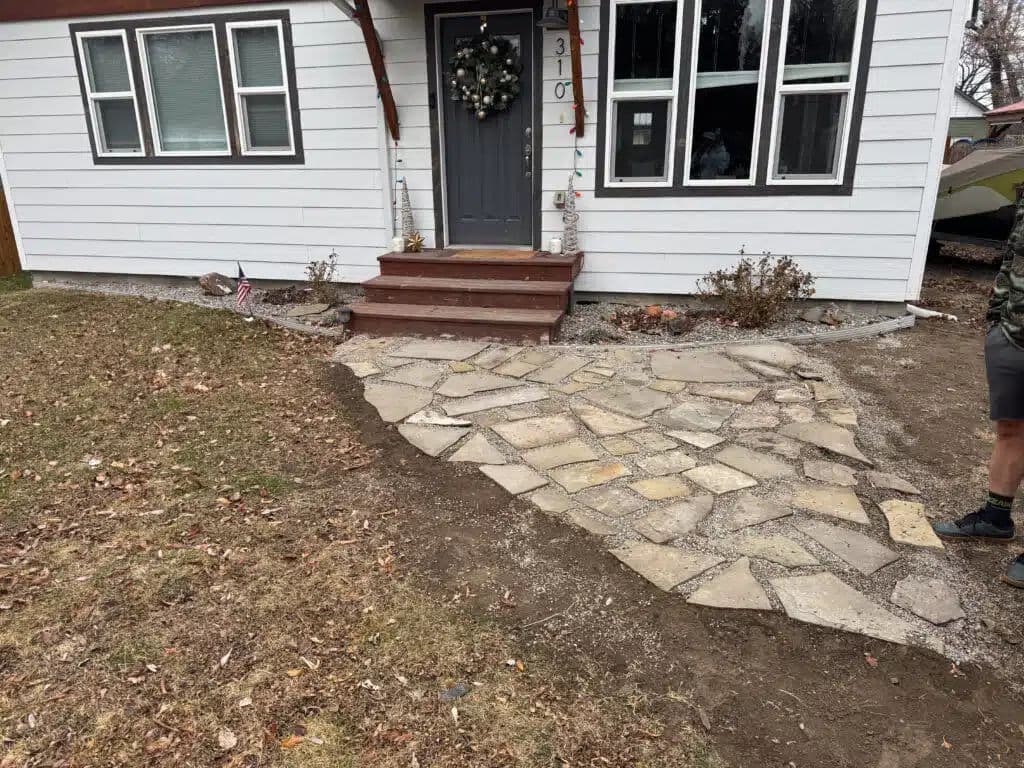
Clean the area, fill cracks with appropriate material, and seal the surface to prevent further damage.
Repairing cracks in hardscaping is essential to maintain the structural integrity and aesthetic appeal of outdoor surfaces. The specific approach to repairing cracks depends on the material used (e.g., concrete, pavers, stone). Here is a general guide on how to repair cracks in hardscaping:
Repairing Cracks in Concrete
1. Clean the Crack
Use a wire brush, compressed air, or a pressure washer to remove dirt, debris, and loose material from the crack. Ensure that the crack is clean before proceeding.
2. Fill the Crack
Choose a suitable concrete crack filler or patching compound. Apply the filler into the crack, ensuring it fills the entire space. Use a putty knife or trowel to smooth the surface.
3. Level the Surface
Level the filled crack with the surrounding concrete surface using a trowel or putty knife. This helps create a seamless appearance.
4. Cure and Seal
Allow the repaired area to cure according to the product instructions. Apply a concrete sealer to protect the repaired surface and enhance its durability.
Repairing Cracked Pavers
1. Remove Damaged Pavers
If the crack extends to individual pavers, carefully remove the damaged ones. Use a pry bar or screwdriver to lift the pavers.
2. Clean the Area
Clean the area around the crack, removing any sand or debris. A broom or compressed air can be useful for this step.
3. Replace or Reset Pavers
Replace the damaged pavers with new ones if they are severely cracked. If the crack is minor, reset the pavers using a polymeric sand or jointing compound.
4. Fill the Joints
Fill the joints between the pavers with polymeric sand or jointing compound. This helps stabilize the pavers and prevents future movement.
Repairing Cracks in Stone
1. Clean the Crack
Use a wire brush or compressed air to clean the crack and remove any loose particles. Ensure that the crack is free of dirt and debris.
2. Apply Stone Epoxy
Choose a stone epoxy or filler suitable for the type of stone used. Apply the epoxy into the crack, smoothing it with a putty knife or trowel.
3. Sand and Polish
Once the epoxy has cured, sand the repaired area to match the surrounding stone texture. Polish the surface if needed to achieve a uniform appearance.
4. Seat the Stone
Apply a stone sealer over the repaired area to protect it and enhance the color of the stone. Follow the product instructions for curing and drying times.
General TIps
Weather Conditions
Perform repairs in favorable weather conditions. Avoid extreme temperatures, rain, or freezing conditions during the repair process.
Preventative Measures
Consider addressing the underlying cause of the cracks to prevent future damage. This may include improving drainage, addressing soil settlement, or using expansion joints.
Professional Assistance
For extensive or complex cracks, especially in large concrete surfaces, consider seeking professional assistance. Professional contractors have the expertise and equipment for more significant repairs. Top Dog provides professional level hardscaping services to get your projects completed.
Regular Maintenance
Implement a regular maintenance routine to inspect and address minor cracks before they become more extensive issues.
Remember to follow the specific product guidelines for the repair materials used, as different materials may have varying application and curing processes. If in doubt, consult with a professional hardscaping contractor for advice and assistance.